Refresh Your Garden Beds for Spring

February 23, 2026

Essential Tips for a Beautiful Spring Garden
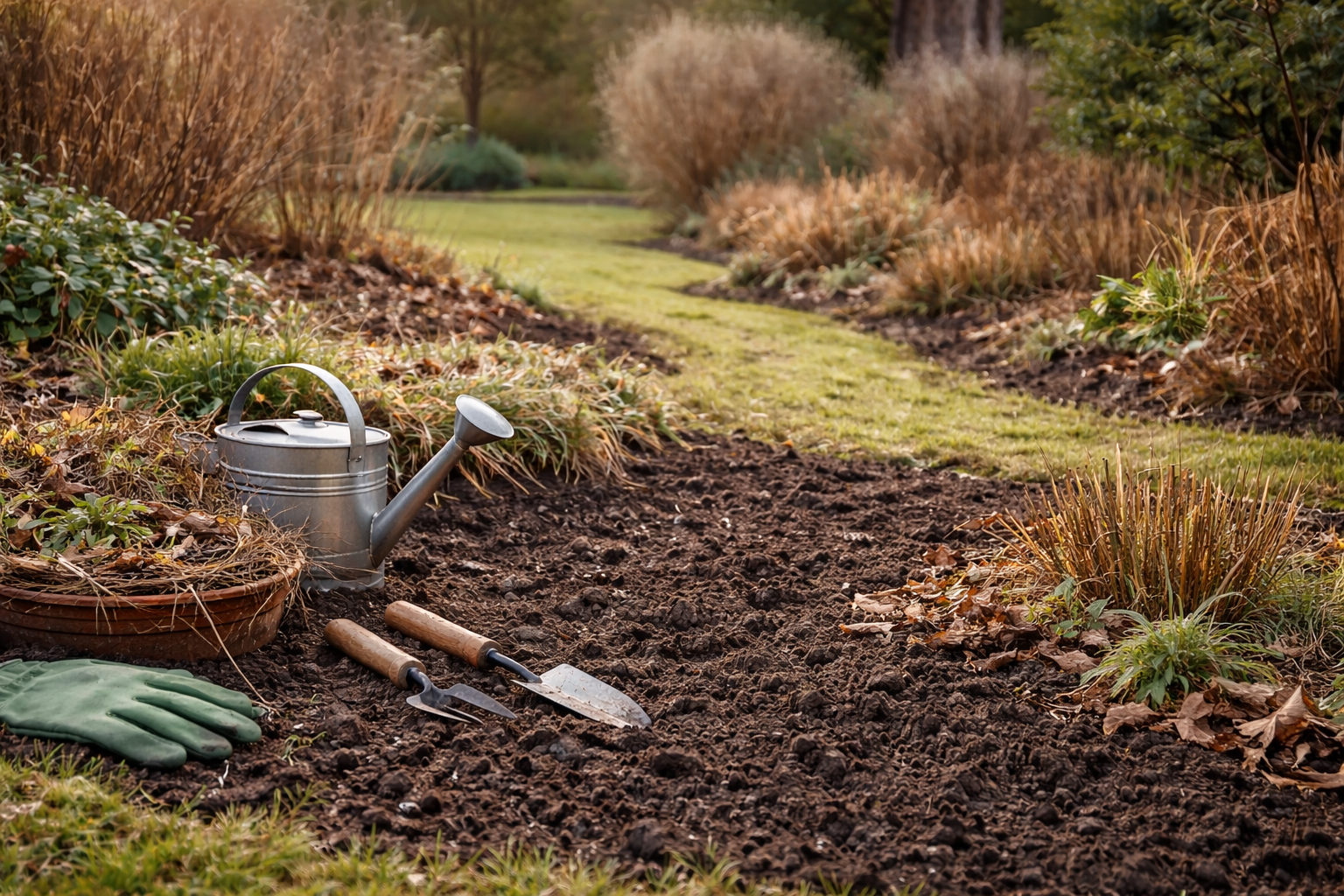
Spring is just around the corner, and it’s the perfect time to breathe new life into your garden! After a long winter, your garden beds may need a little refresh to help your plants thrive and set the stage for a season full of color and growth. Whether you’re a seasoned gardener or just getting started, these tips will help you prepare your garden beds for a stunning spring transformation.


1. Clean Up Your Garden Beds

Winter can leave your garden messy, with dead leaves, fallen branches, and spent plants cluttering your beds. Start by:


  • Removing dead foliage and weeds.
  • Cutting back perennials that need rejuvenation.
  • Clearing out any debris that may block sunlight or trap moisture.


A clean garden bed not only looks inviting but also prevents disease and gives your new plants room to grow.


2. Check Your Soil

Healthy soil is the foundation of a thriving garden. Early spring is a great time to:


  • Test your soil’s pH and nutrient levels.
  • Add compost or organic matter to enrich the soil.
  • Turn or lightly till the soil to improve aeration and drainage.


Amending your soil now ensures your plants get the nutrients they need for strong roots and vibrant growth.


3. Mulch for Moisture and Protection

A fresh layer of mulch not only makes your garden beds look tidy but also:


  • Retains soil moisture during warmer months.
  • Helps suppress weeds.
  • Protects roots from temperature swings.


Apply 2–3 inches of organic mulch, like shredded bark or composted leaves, around your plants, keeping it a few inches away from stems to prevent rot.


4. Plan Your Planting

Spring is ideal for introducing new annuals, perennials, shrubs, and trees. Consider:


  • Choosing native or drought-tolerant plants to reduce maintenance.
  • Planting in groups for a more natural, lush look.
  • Adding early-blooming flowers like pansies or tulips for immediate color.


Planning now means your garden will burst into life as the temperatures rise.


5. Refresh Hardscapes and Borders

Don’t forget the finishing touches!


  • Clean garden paths and patios.
  • Edge your garden beds for a crisp, polished look.
  • Repair any raised beds or retaining walls before planting.


These small improvements make a big impact on your garden’s overall appearance.


6. Prep for Pests and Diseases

Finally, take preventive measures to keep your plants healthy:


  • Inspect for overwintering pests and remove them.
  • Use natural or organic pest deterrents if needed.
  • Rotate crops or change planting locations to prevent soil-borne diseases.


Early prevention saves you time and headaches later in the season.


Ready, Set, Grow!

Spring is all about renewal, and there’s no better way to start than with freshly prepped garden beds. With a little effort now, you’ll enjoy a vibrant, flourishing garden that will make your outdoor space a true oasis.


If you’re looking for inspiration, plant suggestions, or high-quality trees, shrubs, and flowers for your spring garden, visit Logan’s Garden Shop—your local haven for all things green.
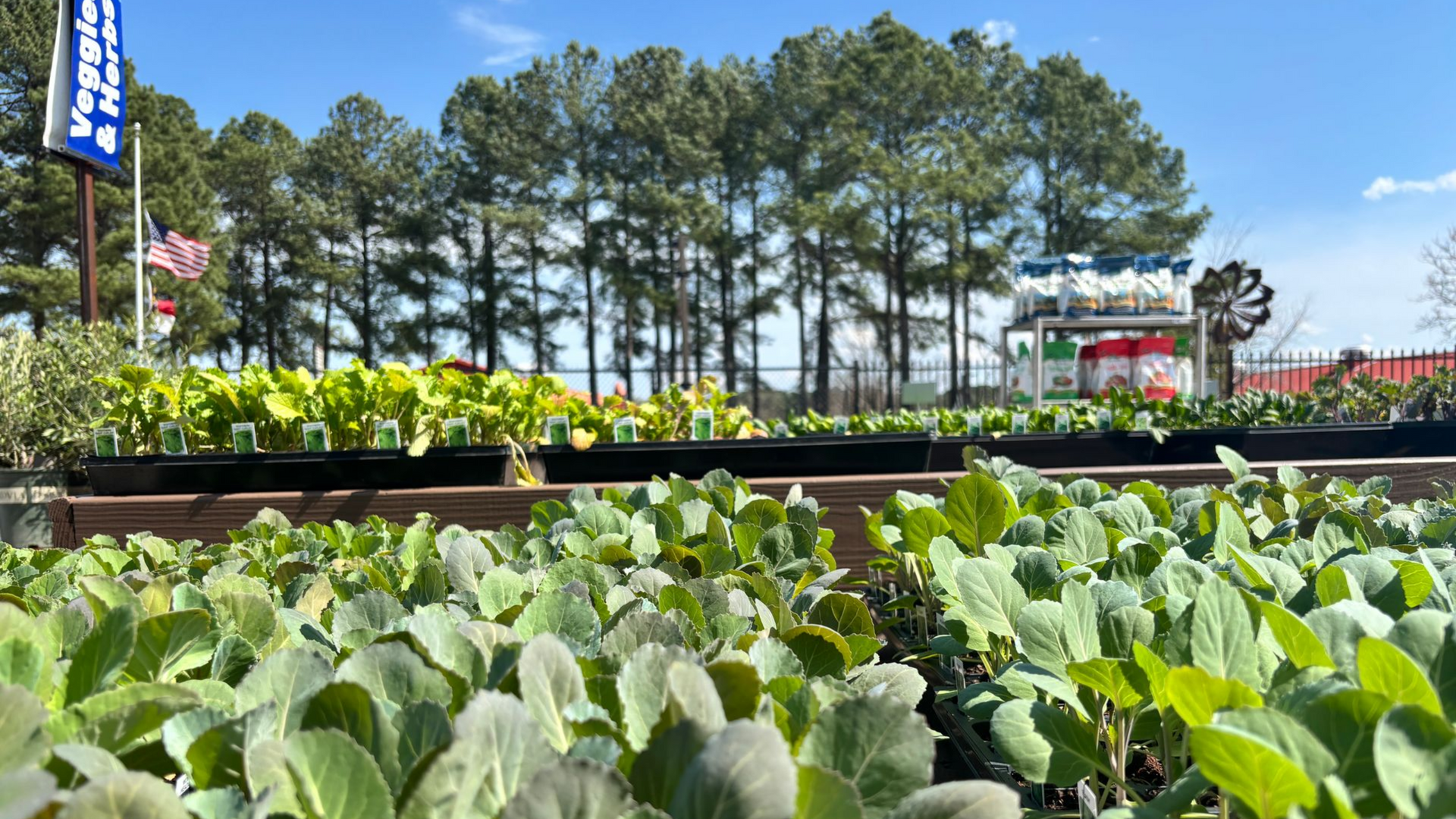
Vegetables at Logan's Garden Shop in Raleigh, NC
March 11, 2026
Discover fresh vegetables and herbs at Logan’s Garden Shop in Raleigh! From basil, parsley, and cilantro to tomatoes, peppers, and more, we have everything you need to grow a thriving garden this season.
Fruit Trees & Berry Bushes in Raleigh
March 11, 2026
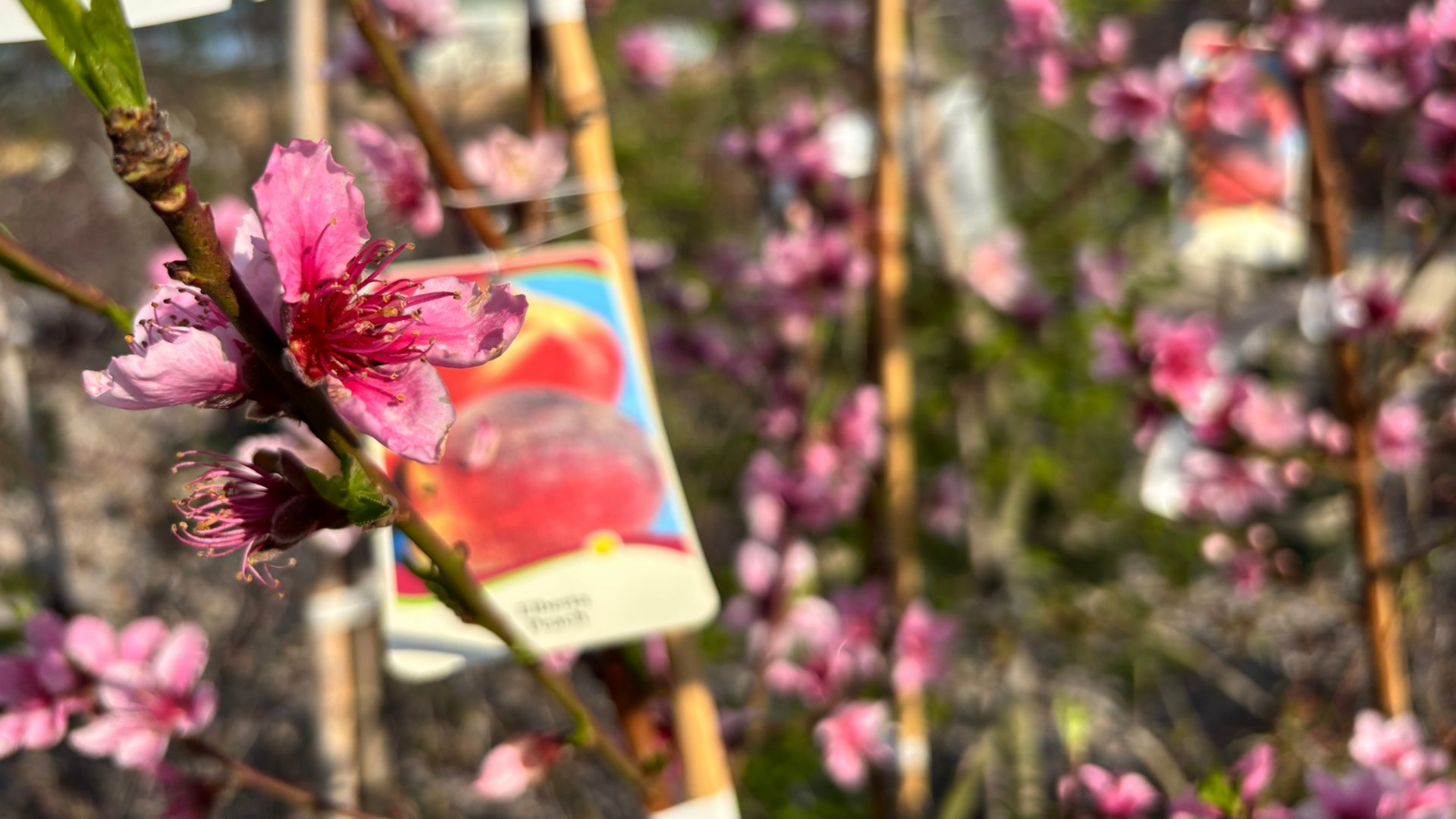
Discover fruit trees and berry bushes at Logan’s Garden Shop in Raleigh! Homegrown apples, peaches, blueberries & more for a gorgeous, delicious 2026 garden.
Snake Plant from Logan's Garden Shop
February 27, 2026
Discover our staff’s favorite plants at Logan’s Garden Shop at the NC Farmers Market. From Monstera Peru to Hellebore ‘Anna’s Red’ and Snake Plants, find easy-care, show-stopping houseplants and garden favorites at the NC Farmers Market.
Early Spring Blooming Trees and Shrubs at Logan's Garden Shop
February 23, 2026
Discover the beauty of early spring blooming trees and shrubs like Forsythia, Flame Thrower Redbud, Flowering Quince, and flowering cherries. Learn why you’ll love them, their benefits, and the best gardens for vibrant spring color at Logan’s Garden Shop
Tulips at bulbs at Logan's Garden Shop
February 17, 2026
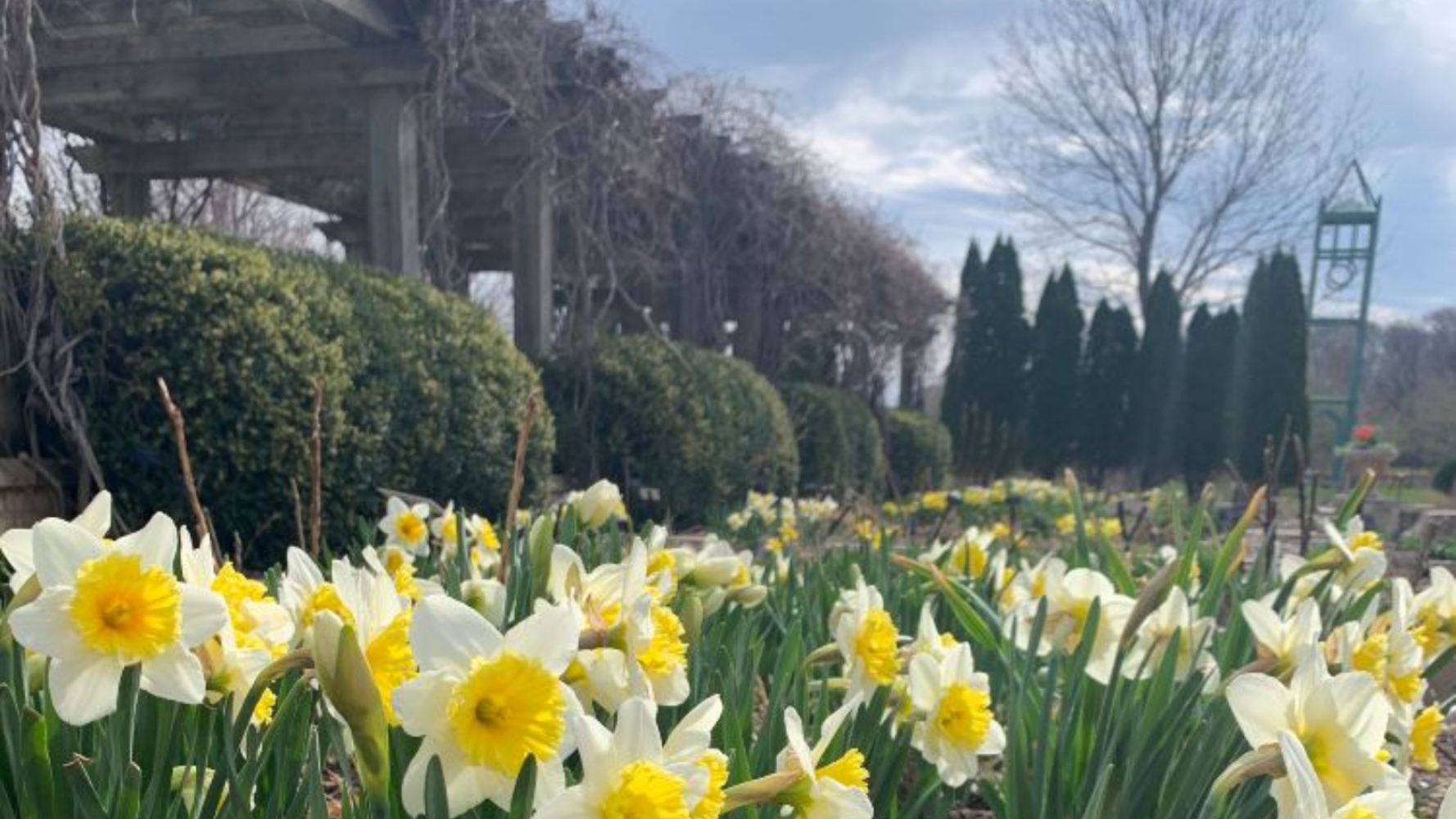
Ready for spring color? Learn how crocus, hyacinth, daffodils, and tulips brighten gardens early—expert tips from Logan’s Garden Shop.
By proadAccountId-464929 February 10, 2026
Beautiful, Long-Lasting Gifts from Logan's Garden Shop
By proadAccountId-464929 February 8, 2026
A Valentine’s Day Gift That He'll Love (and Levels Up His Place)
By proadAccountId-464929 February 2, 2026
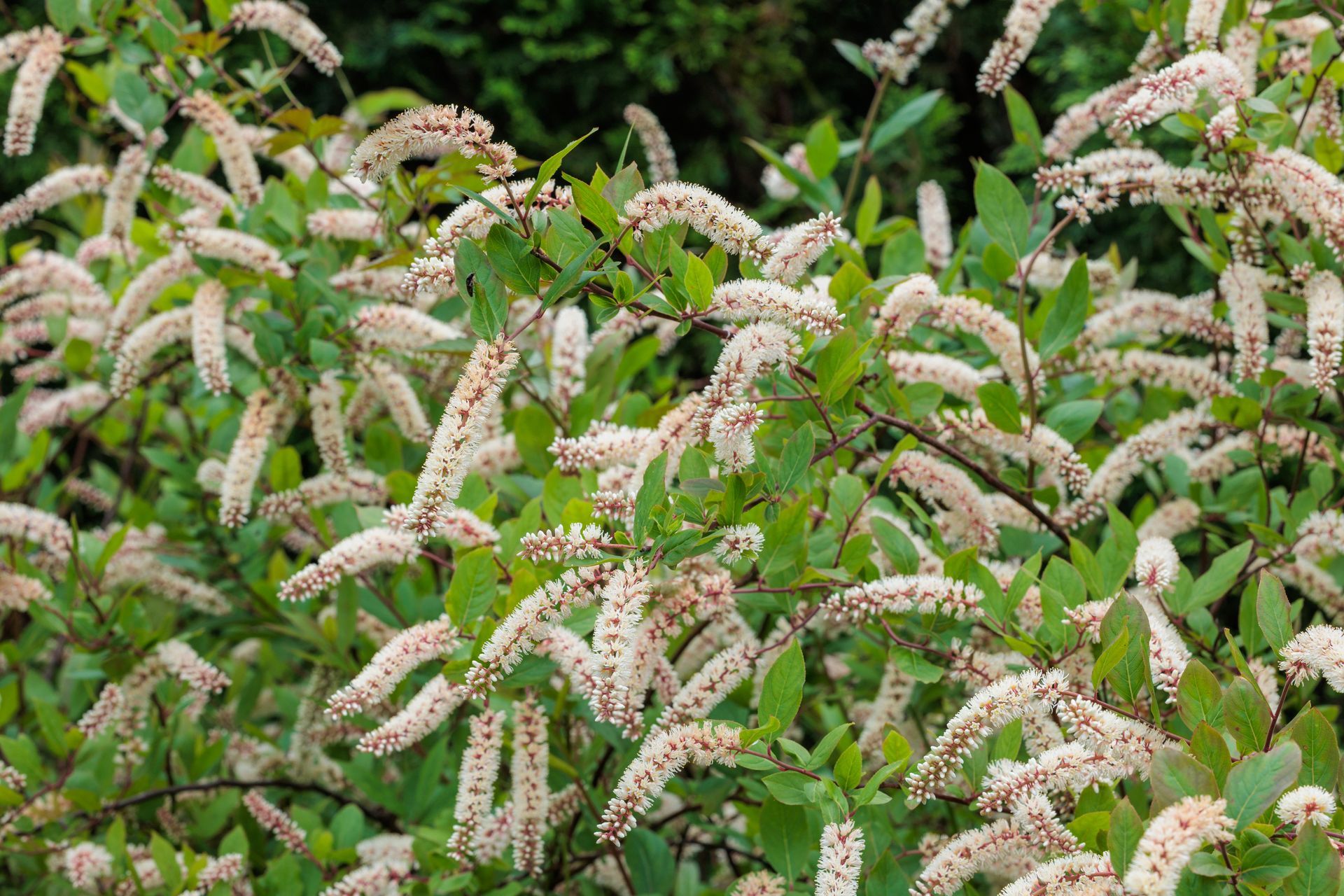
Planting bird-friendly trees and shrubs is one of the easiest ways to bring life, color, and movement into your landscape. Many native and well-adapted plants in North Carolina provide birds with exactly what they need: food, shelter, and safe nesting spaces . The bonus? These plants reward homeowners with beautiful blooms, berries, seasonal interest, and a healthier yard overall. Here are a few standout trees and shrubs that birds absolutely love—and why you will too.
By proadAccountId-464929 January 23, 2026
Cold weather can be tough on plants, especially when sudden freezes or winter storms move in. Taking a few proactive steps before temperatures drop can make the difference between healthy plants and winter damage. Water Plants Before the Cold Sets In One of the easiest and most effective cold-weather plant care tips is to water ahead of a freeze. Moist soil holds heat better than dry soil, helping insulate roots and protect plants from sudden temperature drops. Well-watered plants are also less stressed and better able to tolerate cold conditions. We recommend watering earlier in the day so the soil can absorb moisture before nighttime temperatures fall. Bring in Sensitive Plants Many everyday garden plants are sensitive to freezing weather. These include tender annuals such as petunias and begonias, tropical plants such as hibiscus and mandevilla, container-grown herbs, succulents, citrus trees, and non-hardy bulbs and tubers such as dahlias and elephant ears. While this isn’t a full list of plants, here are some common ones that don’t fare well in temperatures below 20 degrees. Tender Annuals These plants are typically damaged or killed by frost: Petunias Impatiens Begonias Geraniums Coleus Calibrachoa (Million Bells) Zinnias Vinca Tropical & Houseplants (If Outdoors) These plants are not cold-tolerant and should be brought inside: Hibiscus Mandevilla Bougainvillea Croton Cordyline (Ti plant) Ficus Palms Orchids Container Plants Plants in pots are more vulnerable because roots are exposed to cold: Citrus trees Rosemary Basil and other tender herbs Succulents and cacti Mixed seasonal containers Perennials That May Need Protection Some perennials can survive cold but may suffer damage without protection: Ferns Heuchera (Coral Bells) Salvias (non-hardy varieties) Young or newly planted perennials Bulbs & Tubers (Not Cold-Hardy) These should be dug up or protected: Dahlias Caladiums Cannas Elephant ears Use a Tented Frost Cloth Outdoors For plants that must remain outside, a frost cloth is a great way to provide protection. Drape the cloth loosely over the plant and extend it to the ground to trap soil warmth. Avoid wrapping plants tightly—creating a tent allows better insulation and reduces damage to leaves and stems. Be sure to secure the cloth and remove it during the day once temperatures rise to allow sunlight and airflow. We’re Here to Help Cold weather doesn’t have to be stressful for you or your plants. With a little preparation—and the right supplies—you can protect your garden and set it up for a strong return in spring. Stop by Logan’s Garden Shop for frost cloths, winter protection advice, and personalized recommendations to keep your plants thriving all season long.
Sleds at Logan's Garden Center in Raleigh
By proadAccountId-464929 January 15, 2026
Find winter essentials and early blooming plants at Logan's Garden Center