Pollinator Favorite: Agastache foeniculum (Anise Hyssop)
Why we are loving Agastache!
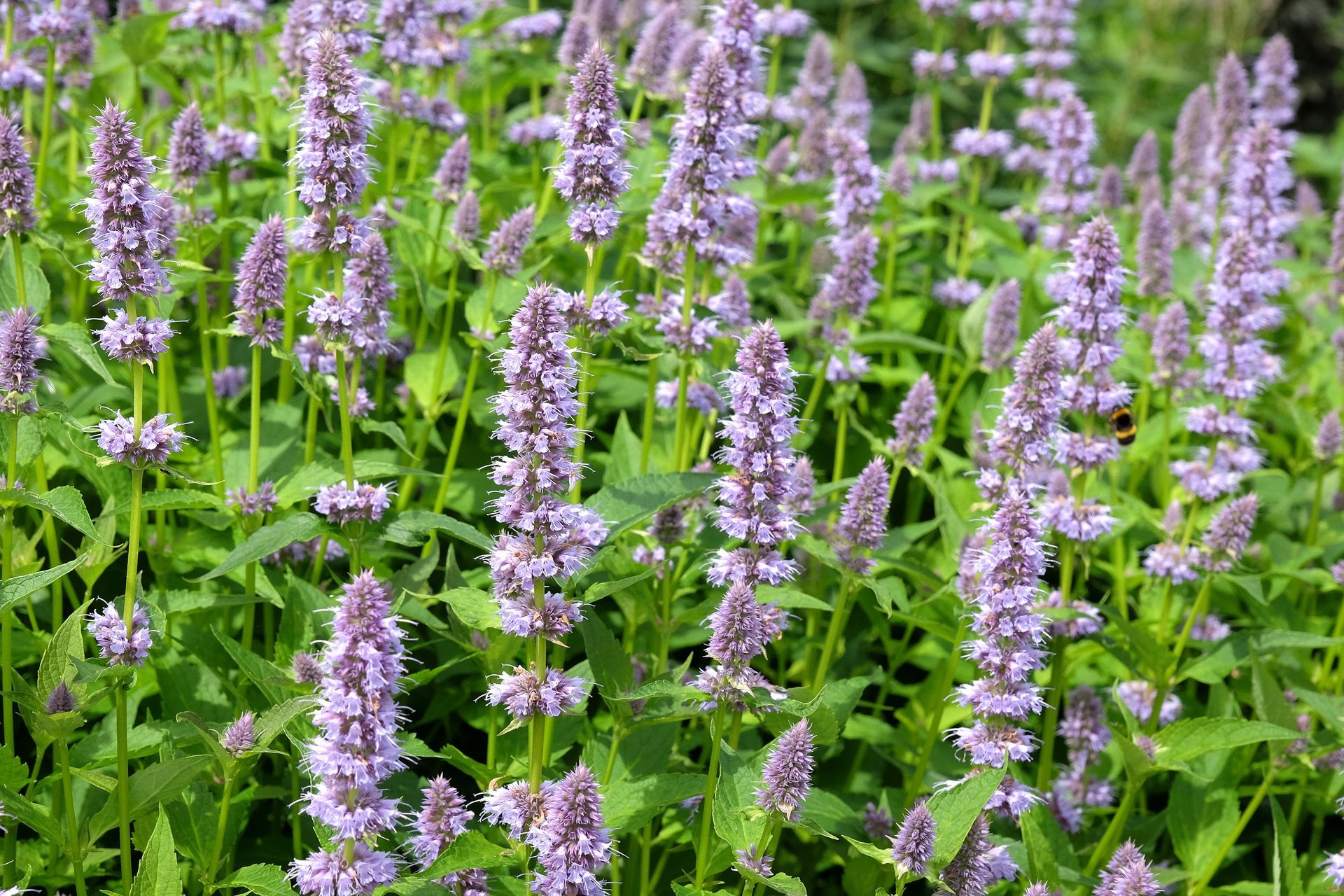
Common Name(s): Anise Hyssop, Blue Giant Hyssop, Fragrant Giant Hyssop
Phonetic Spelling:
ah-gah-STAH-kee foe-nih-KYOO-lum
If you’re looking to support pollinators while adding beauty, fragrance, and resilience to your garden, Agastache foeniculum (commonly known as anise hyssop) is an easy standout. This native perennial brings together long-lasting blooms, drought tolerance, and exceptional pollinator value, making it a natural choice for sustainable landscapes.
A Feast for Pollinators
Anise hyssop produces tall spikes of soft lavender-blue flowers that bloom from mid-summer well into fall. These blooms are rich in nectar, making them a favorite for bees, butterflies, and even hummingbirds.
Because of its extended bloom time, agastache provides a reliable food source during the hotter months when many other plants begin to fade. You’ll often see a constant buzz of activity, from native bees to swallowtail butterflies, making it a lively and dynamic addition to any garden.
Adaptable and Easy to Grow
One of the biggest reasons we love anise hyssop is how easy it is to grow. It thrives in full sun and well-drained soil, and once established, it handles heat and drought with ease.
It’s a great option for low-maintenance gardens, pollinator beds, and even containers. Plus, it tends to be deer-resistant and doesn’t require much fuss, making it ideal for gardeners of all experience levels.
Fragrant and Functional
Beyond its visual appeal, agastache offers a unique sensory experience. Its foliage has a light, sweet licorice scent, adding another layer of interest to your garden.
It also works beautifully in cut flower arrangements and can even be used in herbal teas, giving it both ornamental and practical value.
A Thoughtful Choice for Sustainable Landscapes
When selecting plants, we look for varieties that do more with less and anise hyssop delivers. It supports a wide range of pollinators, requires minimal watering once established, and thrives without heavy inputs.
Whether you’re building a pollinator garden, adding to a native garden, or simply looking for a dependable perennial that brings life to your space, agastache is a choice you can feel good about.
Click Here to learn even more about Agastache (Anise Hyssop)