Early Spring Color Starts with Bulbs

February 17, 2026

Crocus, Hyacinth & Daffodils Bring Your Garden Back to Life
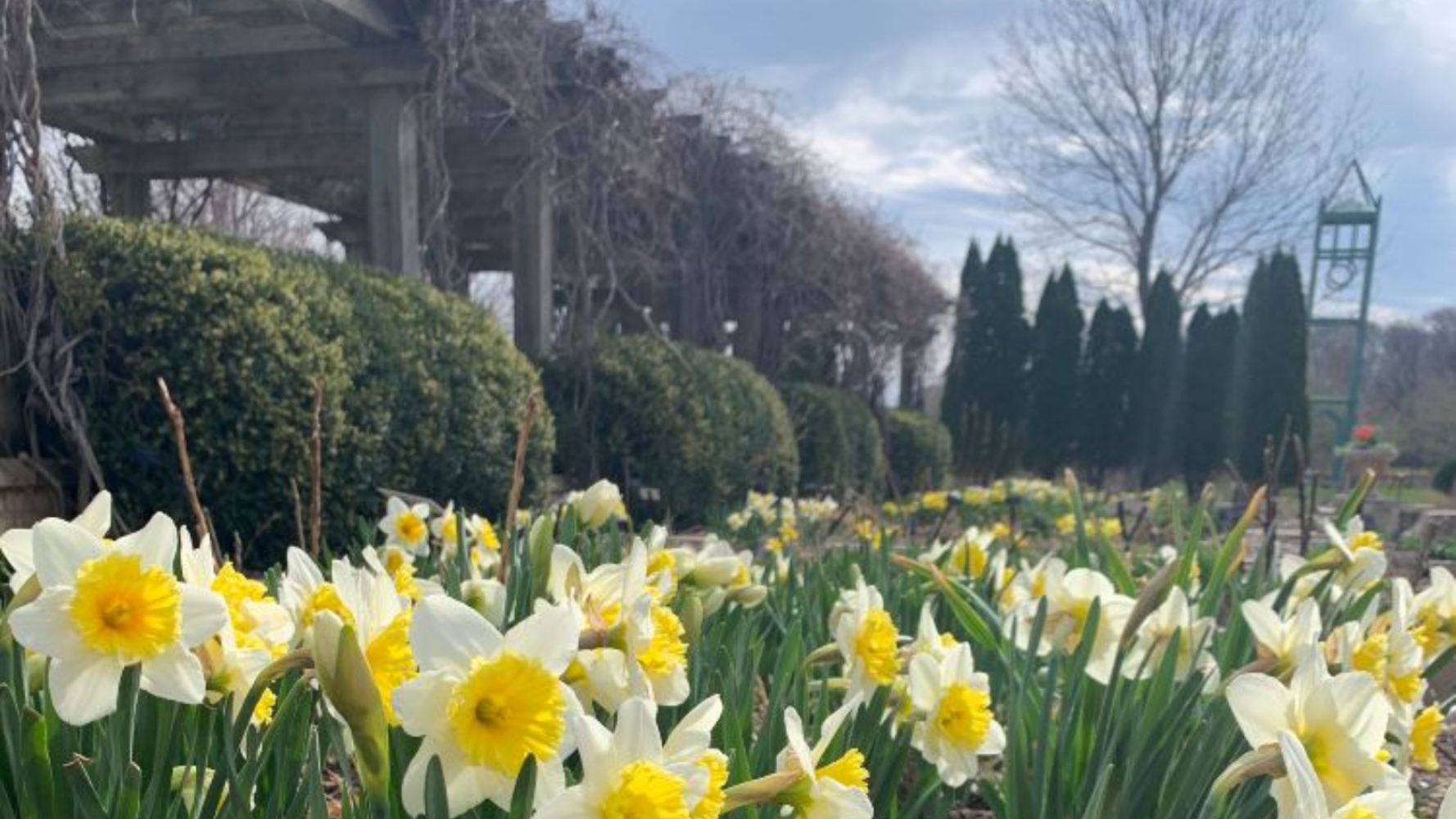
After a long winter, there’s nothing quite like that first pop of color telling you spring is on the way. The secret? Early spring–blooming bulbs. These small-but-mighty plants are planted in the fall and reward you with cheerful color when you need it most.


Why Early Spring Bulbs Are a Must-Have

Early blooming bulbs are some of the easiest plants you’ll ever grow—and some of the most satisfying.


✔️ Plant once, enjoy for years
✔️ Cold-hardy and low maintenance
✔️ Early nectar source for pollinators
✔️ Brightens landscapes before trees leaf out


They’re ideal for garden beds, walkways, containers, and even naturalized lawns.
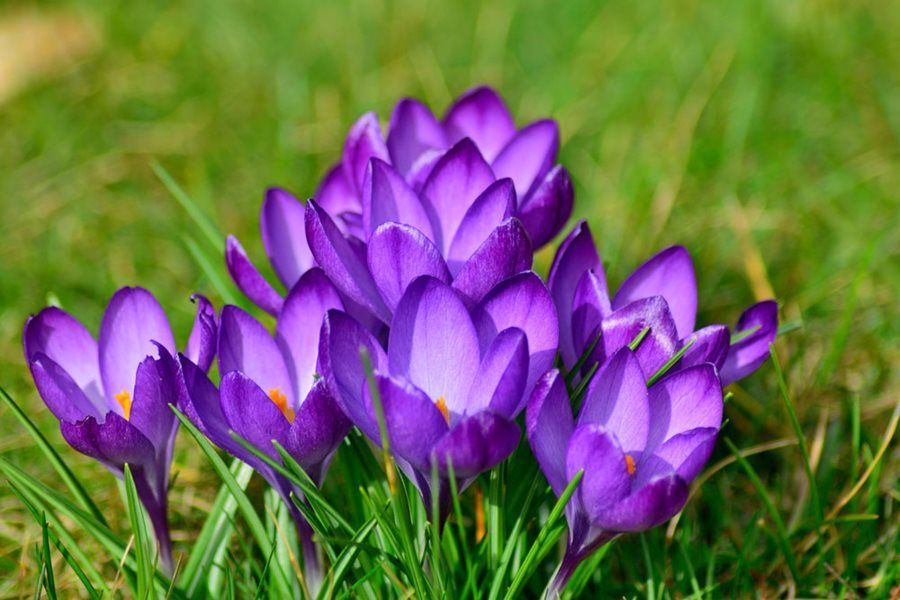
Crocuses at Logan's Garden Shop

Crocus: The First Sign of Spring

Crocuses are often the very first flowers to bloom, sometimes poking through snow like tiny promises of warmer days ahead.


Why gardeners love crocus:


  • Bloom late winter to very early spring
  • Compact size—perfect for borders and lawns
  • Purple, yellow, white, and striped varieties
  • A favorite of early pollinators


Plant crocus in clusters for the biggest impact. When planted en masse, they create a carpet of color that feels magical after winter’s gray.

Hyacinth: Big Color & Sweet Spring Fragrance


If you love fragrance, hyacinths are unbeatable. Their dense flower spikes deliver bold color and an unmistakable spring scent.


Why hyacinths shine:


  • Rich blues, pinks, purples, and whites
  • Strong, sweet fragrance
  • Perfect for containers and entryways
  • Excellent cut flowers for spring arrangements


Plant them near doors, patios, or walkways so you can enjoy their scent every time you pass by.

Hyacinth at Logan's Garden Shop
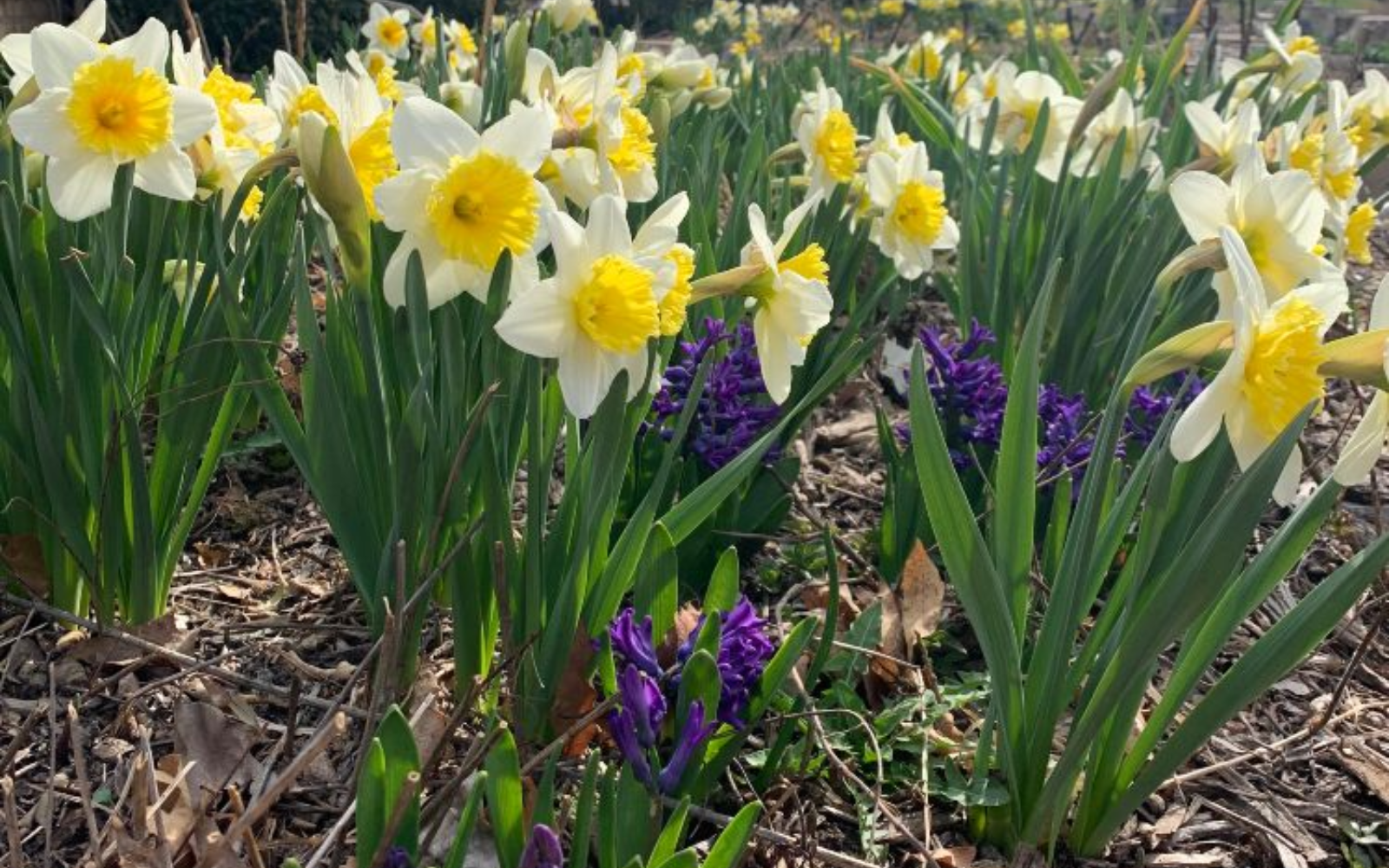
Daffodils at Logan's Garden Shop

Daffodils: Reliable, Cheerful, and Deer-Resistant

Daffodils are the definition of happy spring color. They’re tough, dependable, and come back stronger every year.


Why daffodils are a garden favorite:


  • Early to mid-spring blooms
  • Bright yellows, whites, and bi-colors
  • Deer and rodent-resistant
  • Naturalize beautifully over time


Once planted, daffodils multiply—meaning more blooms and more joy each spring.

Tulips: Classic Spring Color with Endless Variety


Tulips are the stars of spring gardens. With their clean lines and bold colors, they add a polished, eye-catching look to beds and containers.


Why tulips are a spring favorite:


  • Huge range of colors and flower shapes
  • Bloom mid-spring after early bulbs
  • Perfect for garden beds and containers
  • Stunning as cut flowers


Tulips pair beautifully with daffodils and hyacinths, extending your spring color well into the season.

Tulips at Logan's Garden Shop

Plant Once, Enjoy Every Spring

Fall planting leads to early spring joy, and bulbs are among the simplest ways to make it happen. By planting crocus, hyacinth, and daffodils, you’re giving yourself a garden that feels welcoming, hopeful, and full of color long before spring fully arrives.


Pro tip from Logan’s Garden Shop: Mix all three for a layered bloom season—crocus first, hyacinth next, and daffodils to carry you into peak spring.


Stop by Logan’s Garden Shop to find quality bulbs, expert advice, and inspiration to help you create a garden that truly shines in early spring. Your future self will thank you—and so will your landscape.
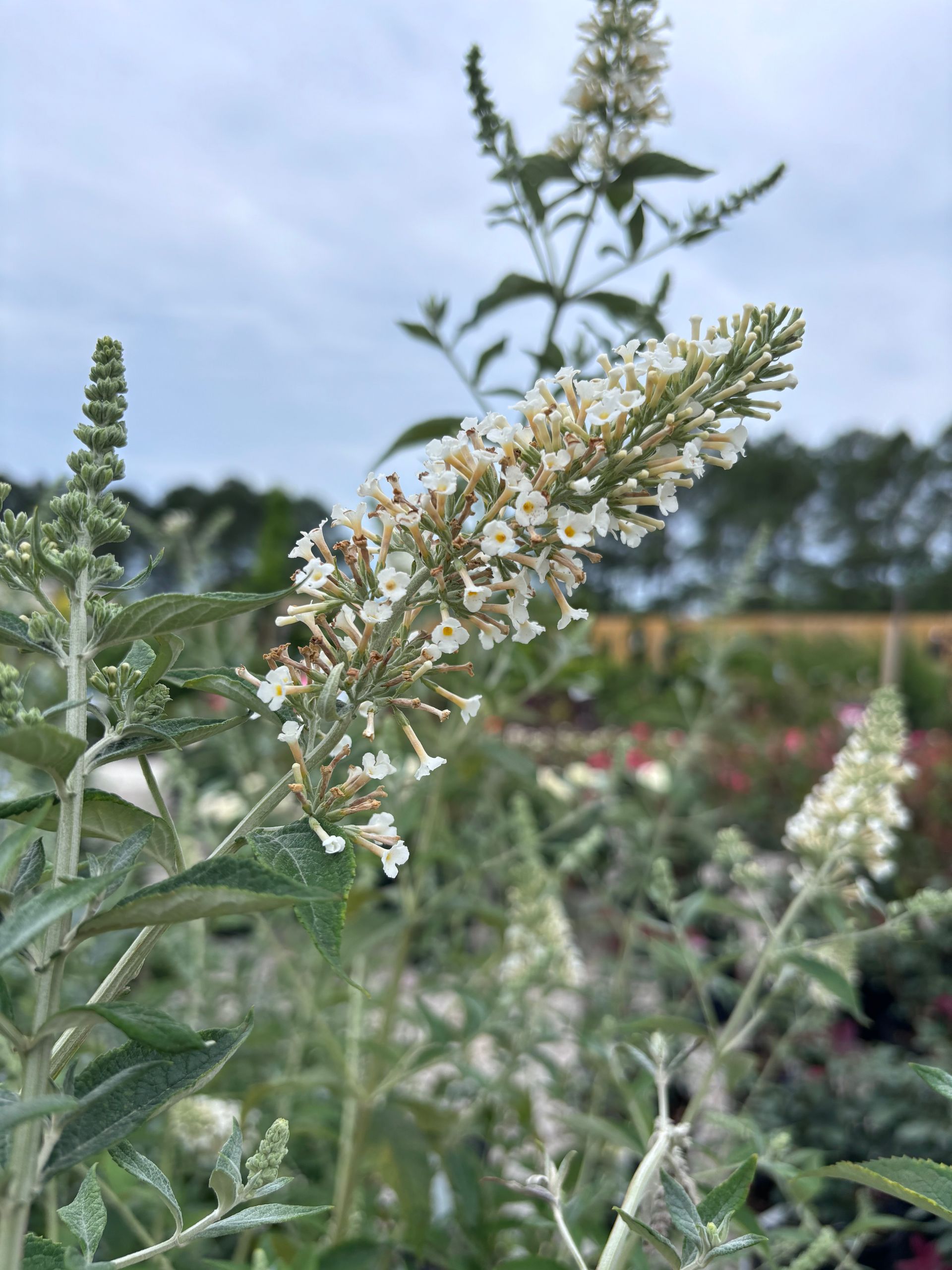
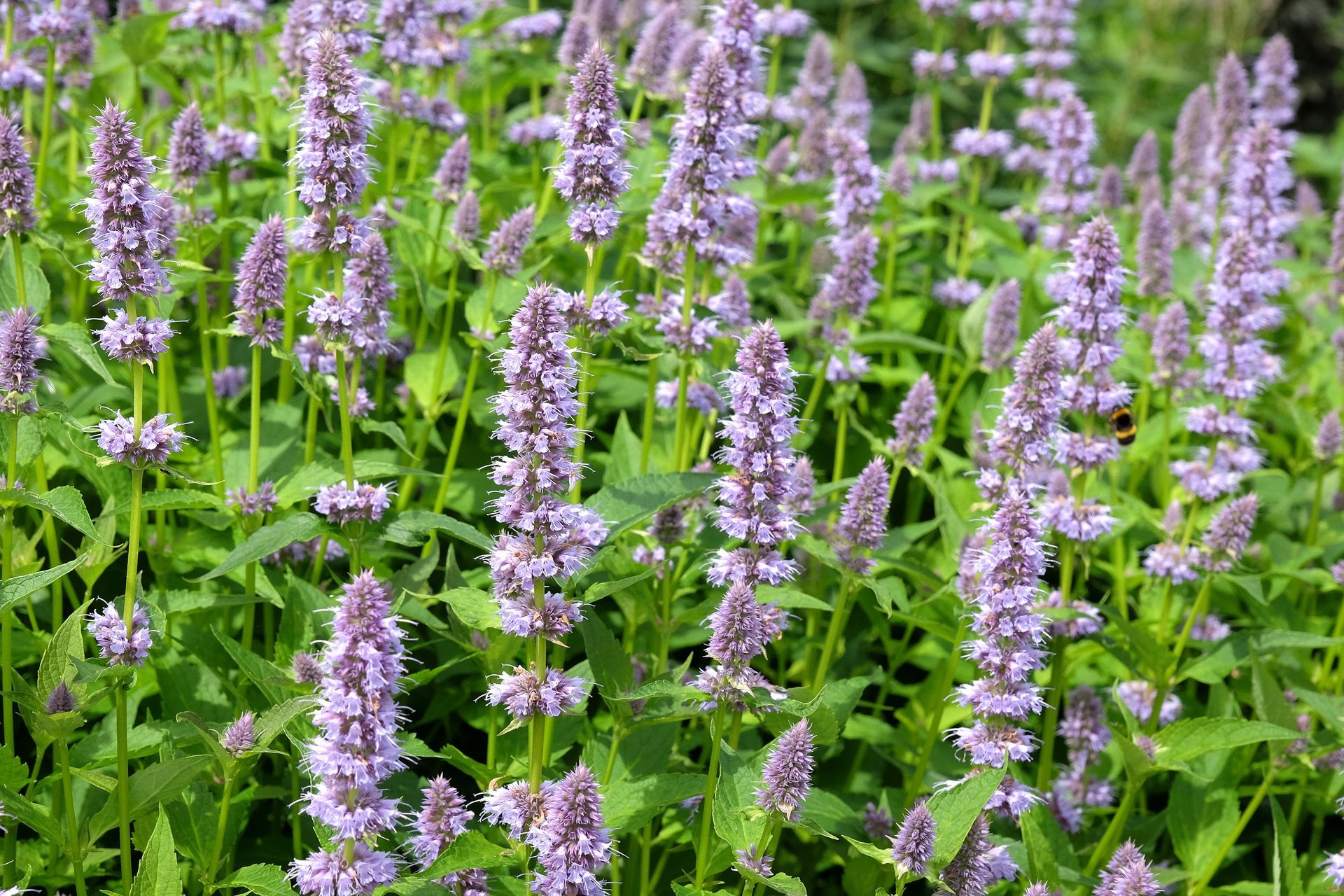
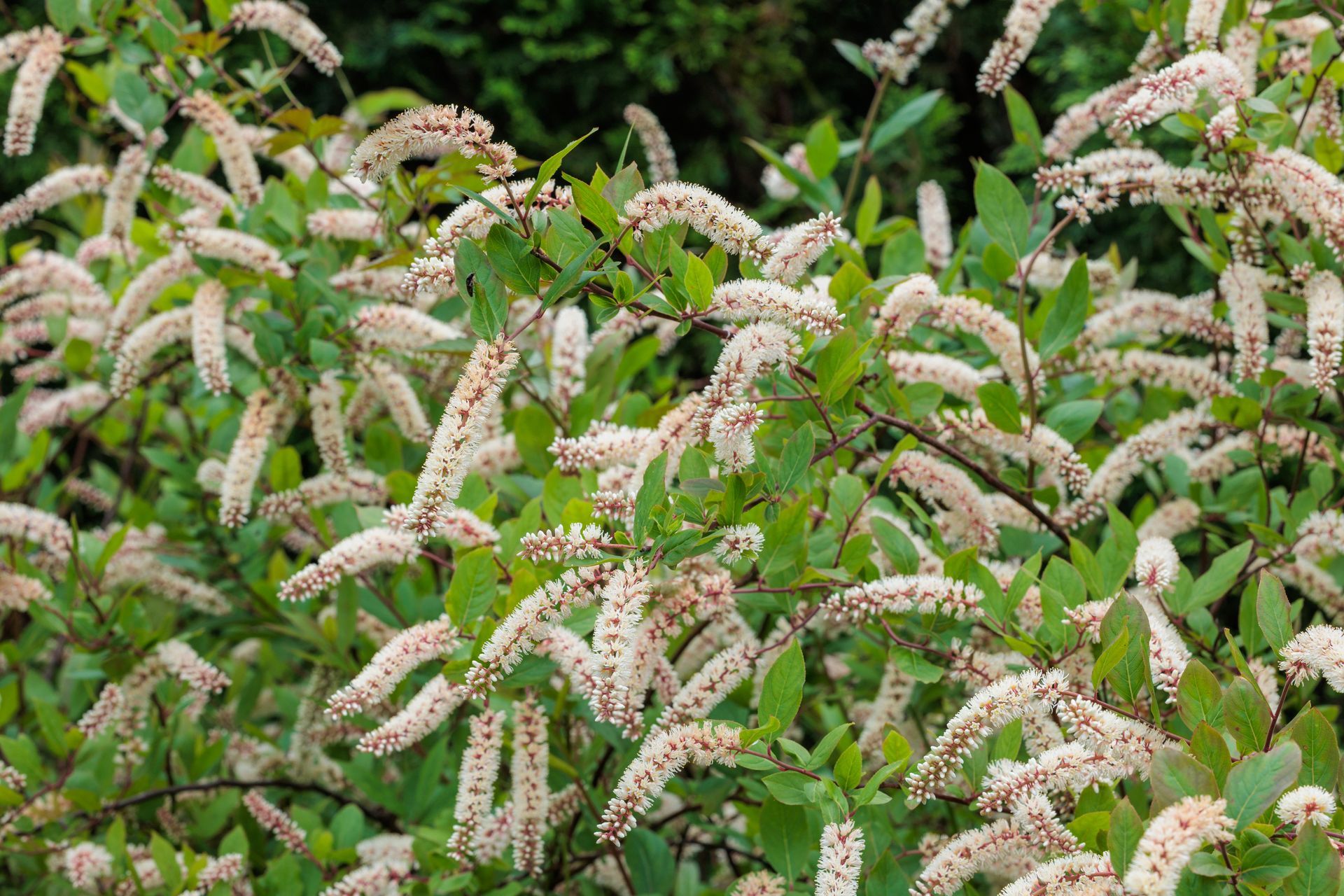
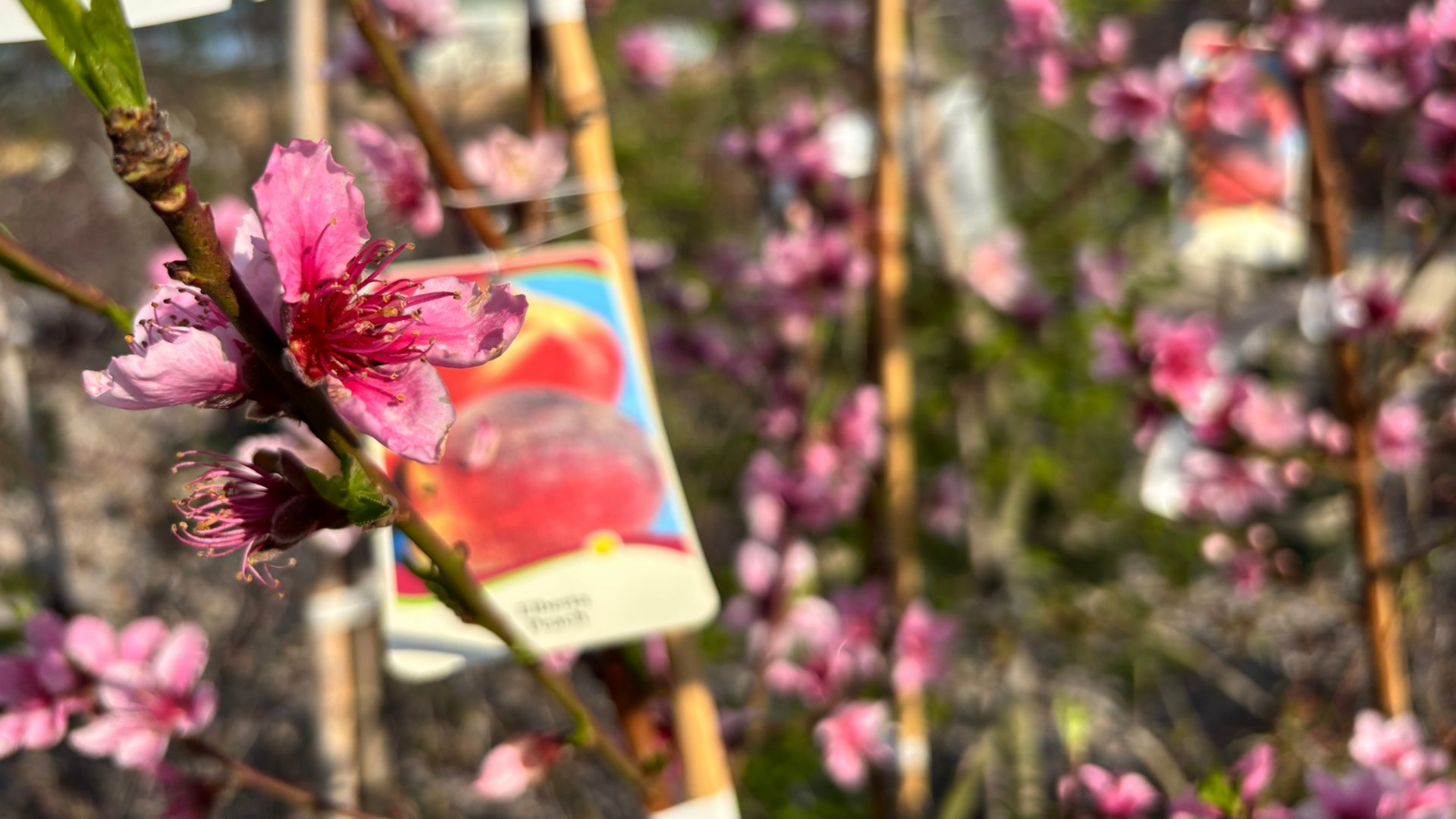
Early Spring Blooming Trees and Shrubs at Logan's Garden Shop
February 23, 2026
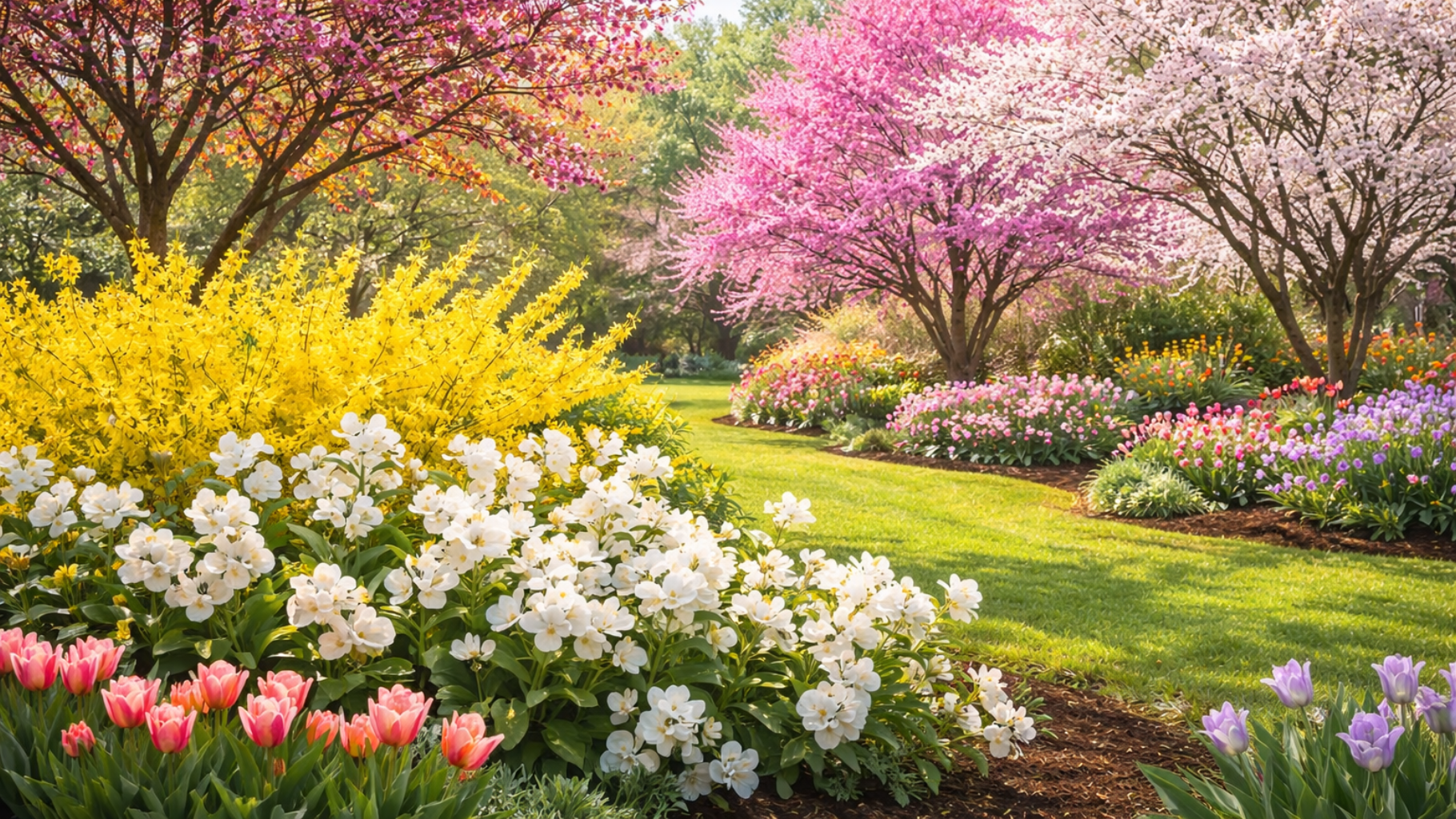
Discover the beauty of early spring blooming trees and shrubs like Forsythia, Flame Thrower Redbud, Flowering Quince, and flowering cherries. Learn why you’ll love them, their benefits, and the best gardens for vibrant spring color at Logan’s Garden Shop
February 23, 2026
Essential Tips for a Beautiful Spring Garden
By proadAccountId-464929 February 10, 2026
Beautiful, Long-Lasting Gifts from Logan's Garden Shop
By proadAccountId-464929 February 8, 2026
A Valentine’s Day Gift That He'll Love (and Levels Up His Place)
By proadAccountId-464929 February 8, 2026
Save up to 70% on plants and more at Logan's Garden Shop
By proadAccountId-464929 February 2, 2026
Planting bird-friendly trees and shrubs is one of the easiest ways to bring life, color, and movement into your landscape. Many native and well-adapted plants in North Carolina provide birds with exactly what they need: food, shelter, and safe nesting spaces . The bonus? These plants reward homeowners with beautiful blooms, berries, seasonal interest, and a healthier yard overall. Here are a few standout trees and shrubs that birds absolutely love—and why you will too.
By proadAccountId-464929 January 23, 2026
Cold weather can be tough on plants, especially when sudden freezes or winter storms move in. Taking a few proactive steps before temperatures drop can make the difference between healthy plants and winter damage. Water Plants Before the Cold Sets In One of the easiest and most effective cold-weather plant care tips is to water ahead of a freeze. Moist soil holds heat better than dry soil, helping insulate roots and protect plants from sudden temperature drops. Well-watered plants are also less stressed and better able to tolerate cold conditions. We recommend watering earlier in the day so the soil can absorb moisture before nighttime temperatures fall. Bring in Sensitive Plants Many everyday garden plants are sensitive to freezing weather. These include tender annuals such as petunias and begonias, tropical plants such as hibiscus and mandevilla, container-grown herbs, succulents, citrus trees, and non-hardy bulbs and tubers such as dahlias and elephant ears. While this isn’t a full list of plants, here are some common ones that don’t fare well in temperatures below 20 degrees. Tender Annuals These plants are typically damaged or killed by frost: Petunias Impatiens Begonias Geraniums Coleus Calibrachoa (Million Bells) Zinnias Vinca Tropical & Houseplants (If Outdoors) These plants are not cold-tolerant and should be brought inside: Hibiscus Mandevilla Bougainvillea Croton Cordyline (Ti plant) Ficus Palms Orchids Container Plants Plants in pots are more vulnerable because roots are exposed to cold: Citrus trees Rosemary Basil and other tender herbs Succulents and cacti Mixed seasonal containers Perennials That May Need Protection Some perennials can survive cold but may suffer damage without protection: Ferns Heuchera (Coral Bells) Salvias (non-hardy varieties) Young or newly planted perennials Bulbs & Tubers (Not Cold-Hardy) These should be dug up or protected: Dahlias Caladiums Cannas Elephant ears Use a Tented Frost Cloth Outdoors For plants that must remain outside, a frost cloth is a great way to provide protection. Drape the cloth loosely over the plant and extend it to the ground to trap soil warmth. Avoid wrapping plants tightly—creating a tent allows better insulation and reduces damage to leaves and stems. Be sure to secure the cloth and remove it during the day once temperatures rise to allow sunlight and airflow. We’re Here to Help Cold weather doesn’t have to be stressful for you or your plants. With a little preparation—and the right supplies—you can protect your garden and set it up for a strong return in spring. Stop by Logan’s Garden Shop for frost cloths, winter protection advice, and personalized recommendations to keep your plants thriving all season long.
Sleds at Logan's Garden Center in Raleigh
By proadAccountId-464929 January 15, 2026
Find winter essentials and early blooming plants at Logan's Garden Center
By proadAccountId-464929 January 15, 2026
January may feel quiet in the garden, but it’s actually the perfect month for seed starting ! Whether you’re a seasoned gardener or just getting started, January is the ideal time to prepare for a successful spring garden . By starting seeds indoors, trying winter sowing, and planning your garden, you’ll enjoy healthier plants, earlier harvests, and beautiful blooms . At Logan’s Garden Center, we’re here to help you make the most of January gardening. Why January Seed Starting Matters Many vegetables, herbs, and flowers need a long growing season to thrive. By starting seeds indoors now, you give plants the time they need to develop strong roots and sturdy stems before moving outdoors. Even cold-hardy vegetables like kale, spinach, and lettuce benefit from an early start. Starting seeds in January also means: Faster spring harvests Stronger, healthier plants Less stress during the busy planting season What to Start Indoors in January Some plants need extra time to grow and do best when started under grow lights or on a warm windowsill. While this isn't a complete list, you can these in January: Vegetables: Broccoli Cauliflower Onions from seed Leeks Celery Herbs: Basil Thyme Oregano Sage Parsley Flowers: Petunias Snapdragons Begonias Lobelia Geraniums 💡 Pro tip: Use grow lights in January—natural sunlight is often too weak for seedlings this month. Start Seeds Now for a Beautiful Spring Garden January seed starting may feel early, but it gives you a head start on: Early harvests of vegetables and herbs Vibrant flowers and blooms A more relaxed, stress-free spring planting season Stop by Logan’s Garden Center for expert advice, seed-starting supplies, and friendly guidance . Let’s make this spring your most beautiful garden yet! 🌿
By proadAccountId-464929 January 12, 2026
Save up to 50% on houseplants and indoor pottery