Pollinator Favorite: Itea virginica (Virginia Sweetspire)

April 15, 2026

Why we are loving Virginia Sweetspire!
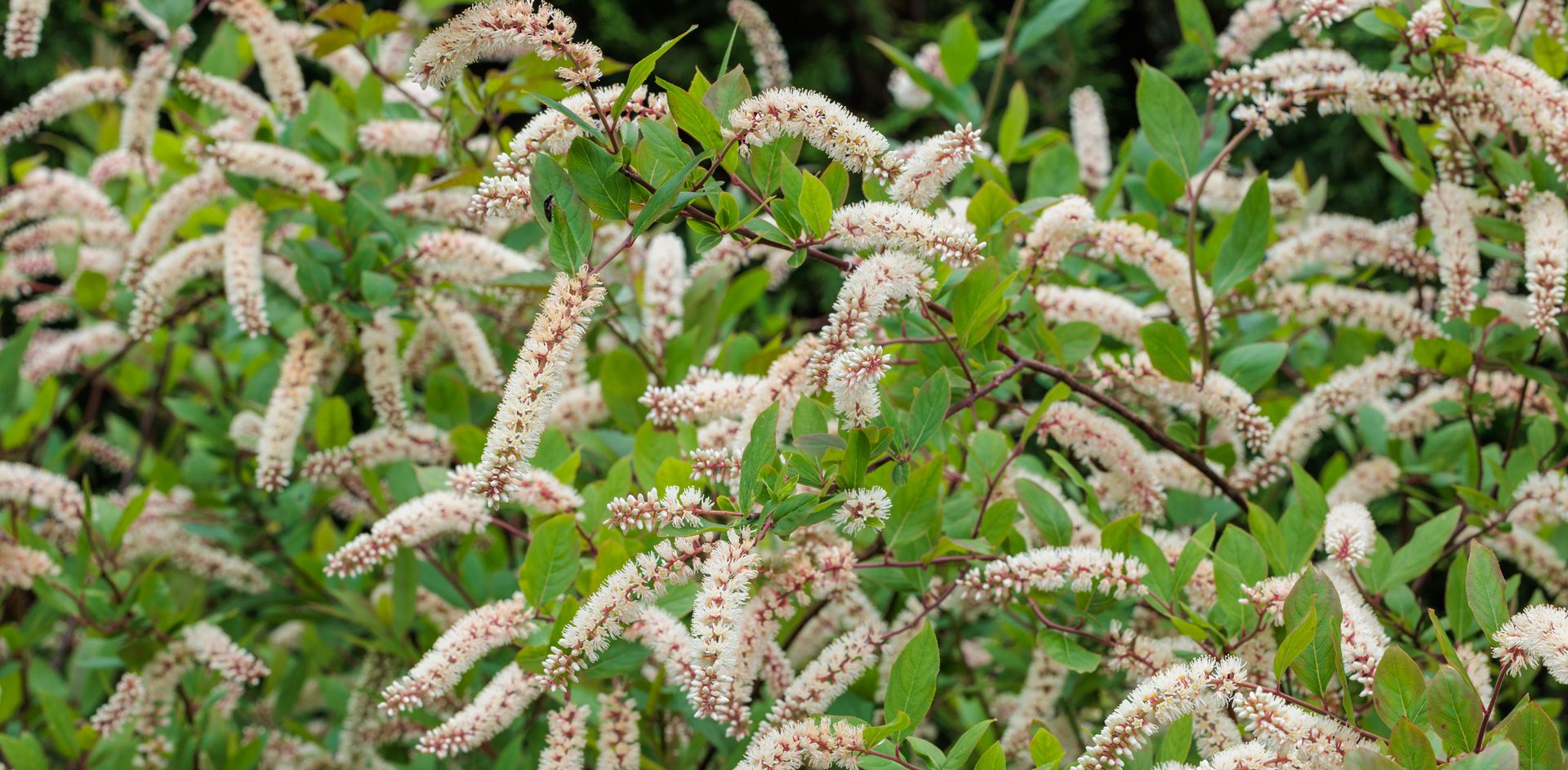
Common Name(s): Itea Virginia Sweetspire, Virginia Sweet Spire, Virginia Willow


Phonetic Spelling

eye-TEE-ah ver-JIN-ih-kah


If you’re looking to support pollinators while adding beauty and resilience to your landscape, itea (commonly known as Virginia sweetspire) deserves a spot at the top of your list. This native shrub quietly checks all the boxes: it’s adaptable, low-maintenance, and incredibly valuable to a wide range of beneficial insects.


A Feast for Pollinators

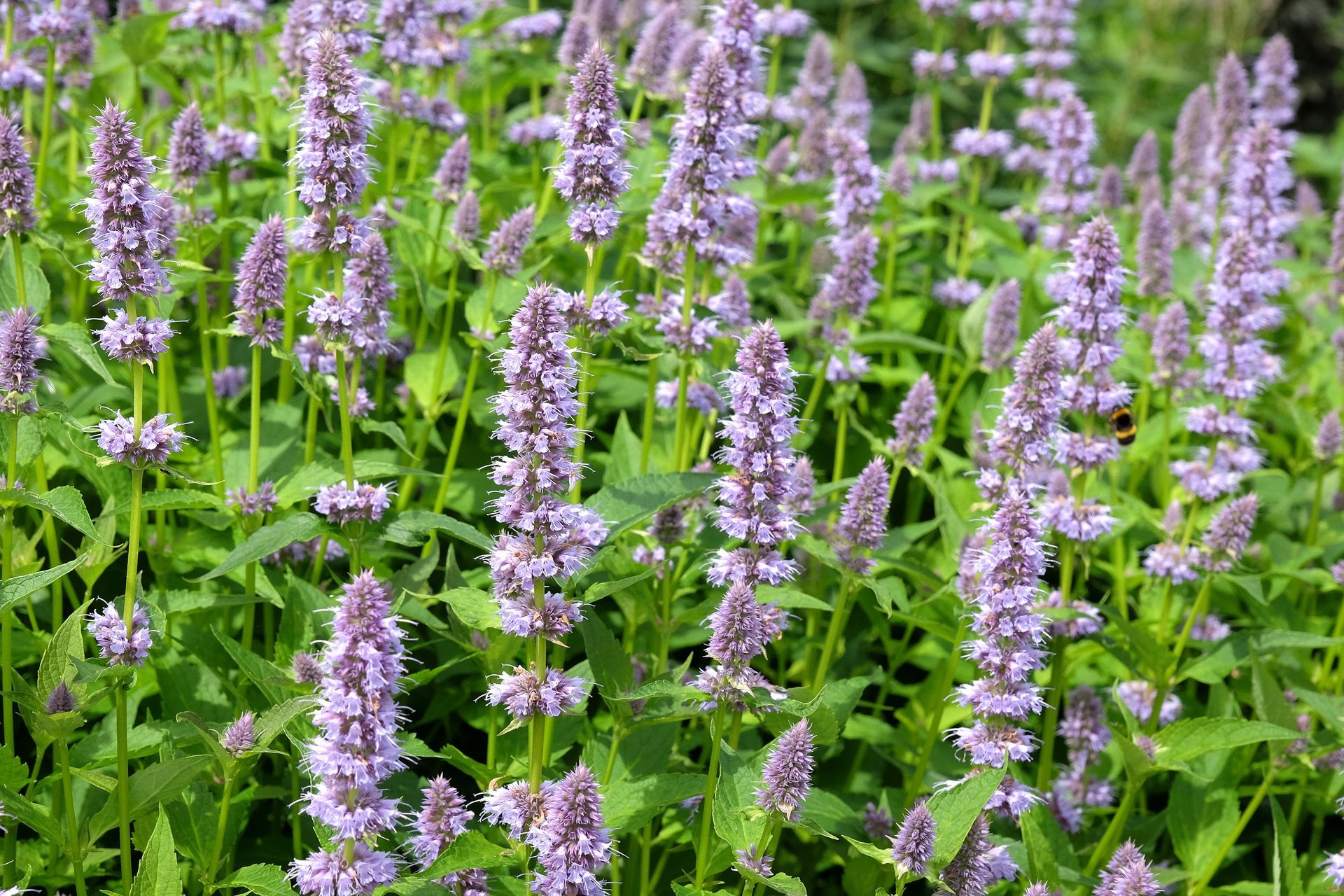
Virginia sweetspire produces elegant, arching blooms of fragrant white flowers in late spring to early summer. These blooms aren’t just pretty, they’re packed with nectar and pollen that attract bees, butterflies, and other beneficial insects. Because it flowers during a time when many other shrubs have finished blooming, itea helps bridge a critical gap in the pollinator food supply.

You’ll often find native bees, honeybees, and even small pollinating flies visiting the blossoms. Butterflies are drawn in as well, making it a lively, active addition to any garden.


Adaptable and Easy to Grow

Another reason we recommend Virginia sweetspire is its versatility. It thrives in a wide range of conditions, from full sun to partial shade, and can tolerate both moist soils and occasional drought once established. It’s especially useful in areas where other plants struggle, such as low-lying spots or rain gardens.

It also has excellent resistance to pests and diseases, meaning fewer chemicals are needed, another win for pollinators!


Multi-Season Interest

Beyond its pollinator benefits, itea offers year-round appeal. In spring and early summer, its flowers steal the show. In fall, the foliage turns brilliant shades of red, orange, and purple, adding a second season of interest. Even in winter, its graceful branching structure contributes texture to the landscape.


A Thoughtful Choice for Sustainable Landscapes

When we recommend plants, we look for species that provide value without creating extra work for gardeners. Virginia sweetspire fits that philosophy perfectly. It supports pollinators, adapts to challenging conditions, and brings beauty across multiple seasons.

Whether you’re designing a pollinator garden, enhancing a naturalized area, or simply looking for a reliable shrub with purpose, itea is a choice you can feel good about.


Planting with intention makes a difference—and with Virginia sweetspire, that difference starts right in your own backyard!


Click Here to learn even more about the Itea (virginia sweetspire)

Vegetables at Logan's Garden Shop in Raleigh, NC
March 11, 2026
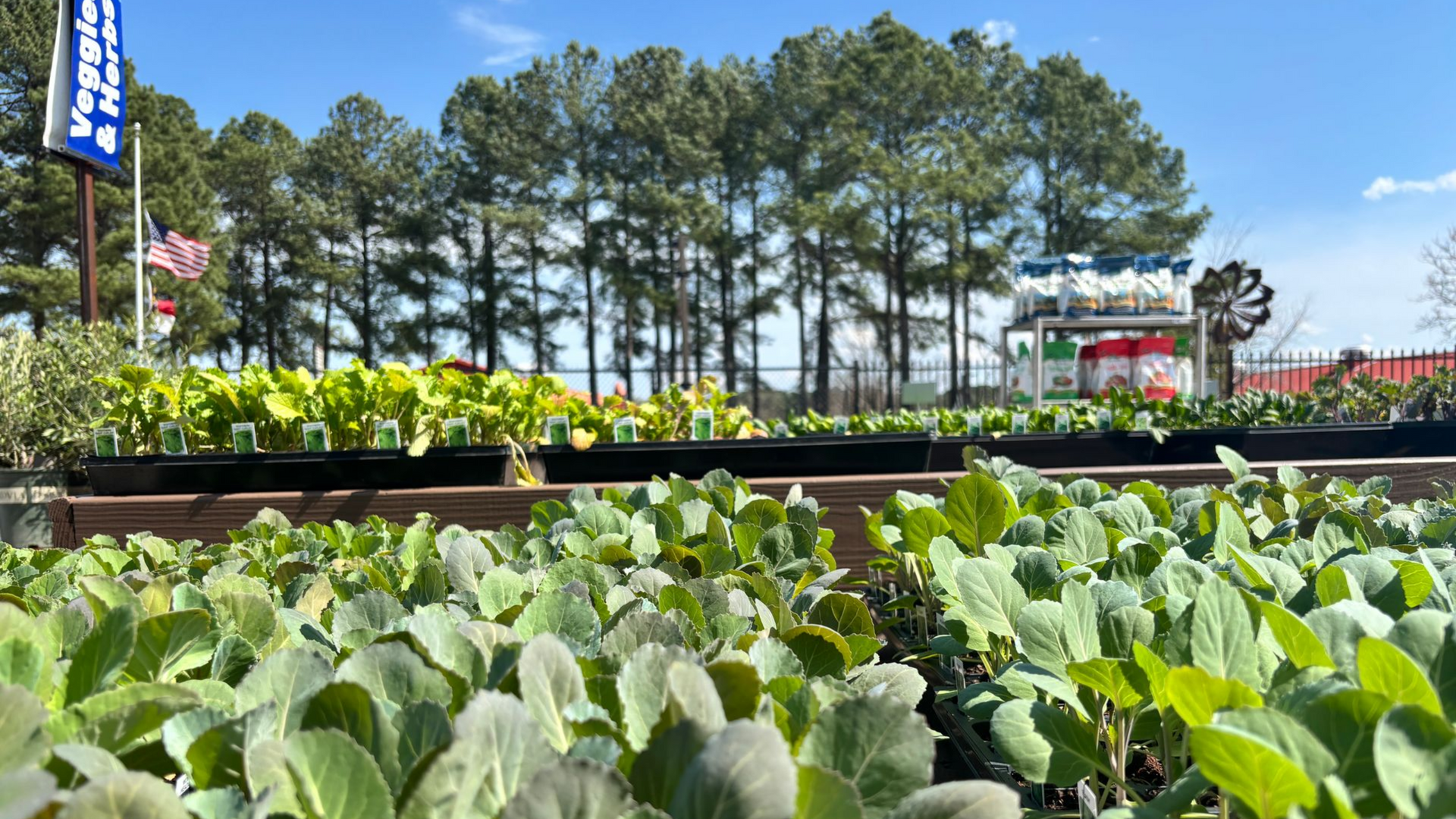
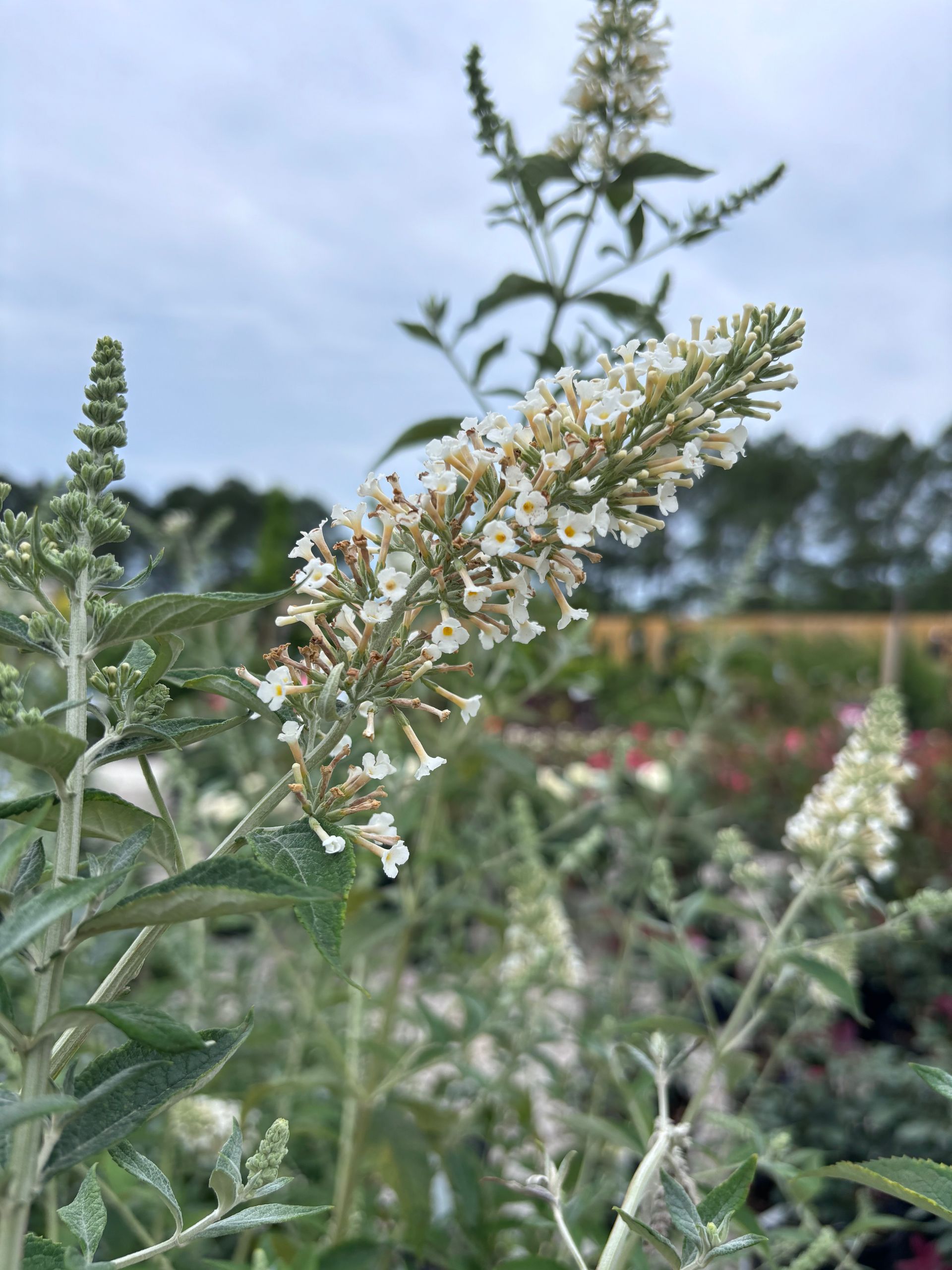
Discover fresh vegetables and herbs at Logan’s Garden Shop in Raleigh! From basil, parsley, and cilantro to tomatoes, peppers, and more, we have everything you need to grow a thriving garden this season.
Fruit Trees & Berry Bushes in Raleigh
March 11, 2026
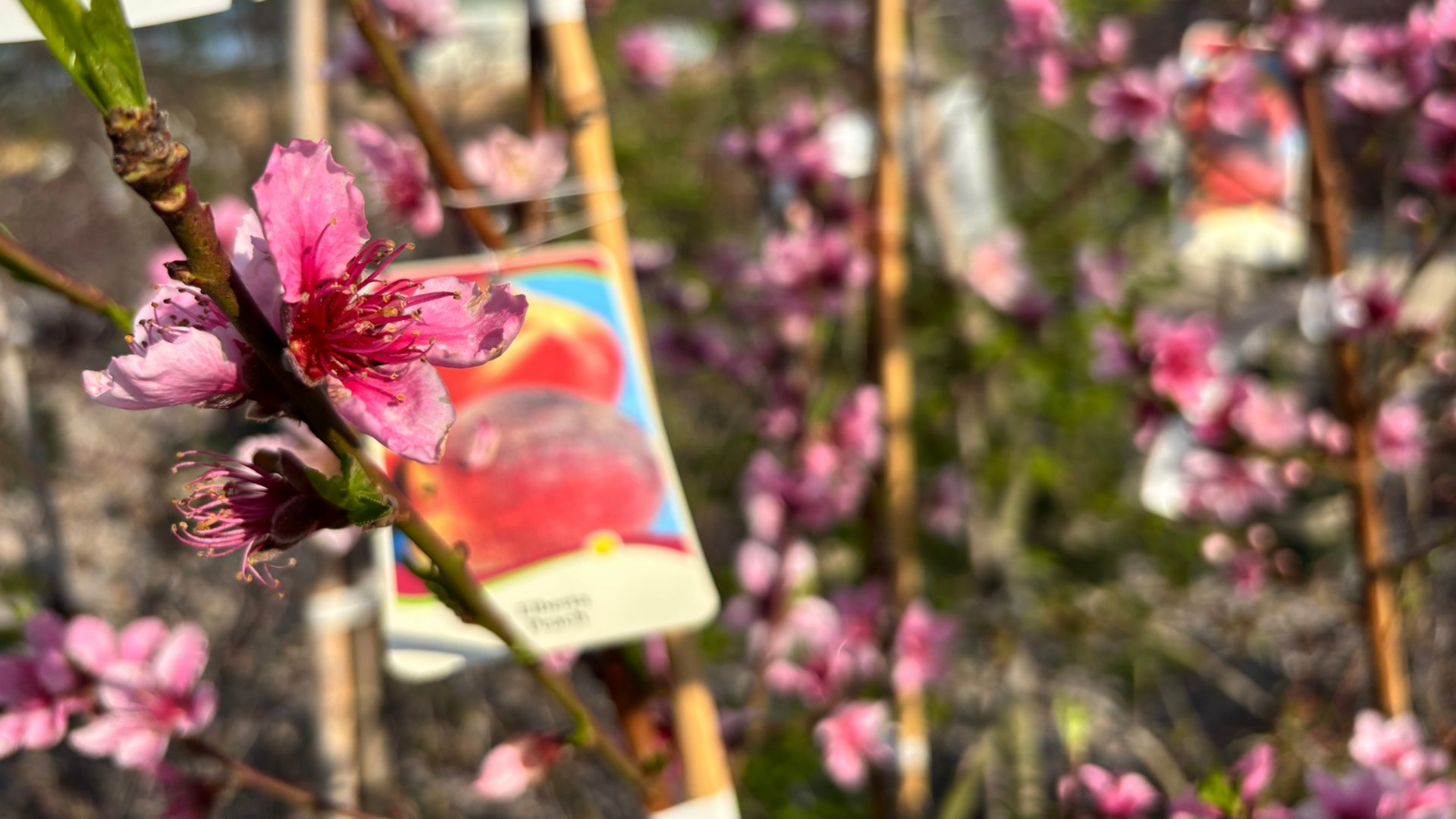
Discover fruit trees and berry bushes at Logan’s Garden Shop in Raleigh! Homegrown apples, peaches, blueberries & more for a gorgeous, delicious 2026 garden.
Snake Plant from Logan's Garden Shop
February 27, 2026
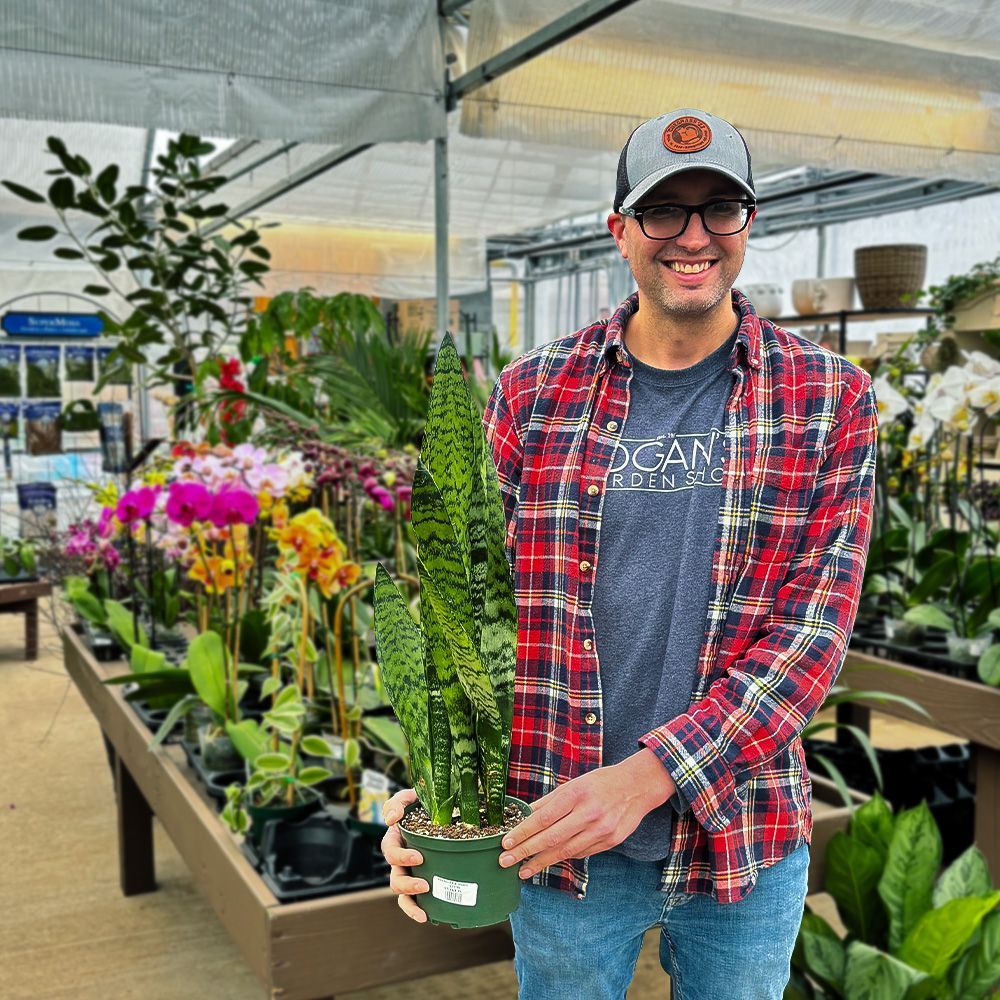
Discover our staff’s favorite plants at Logan’s Garden Shop at the NC Farmers Market. From Monstera Peru to Hellebore ‘Anna’s Red’ and Snake Plants, find easy-care, show-stopping houseplants and garden favorites at the NC Farmers Market.
Early Spring Blooming Trees and Shrubs at Logan's Garden Shop
February 23, 2026
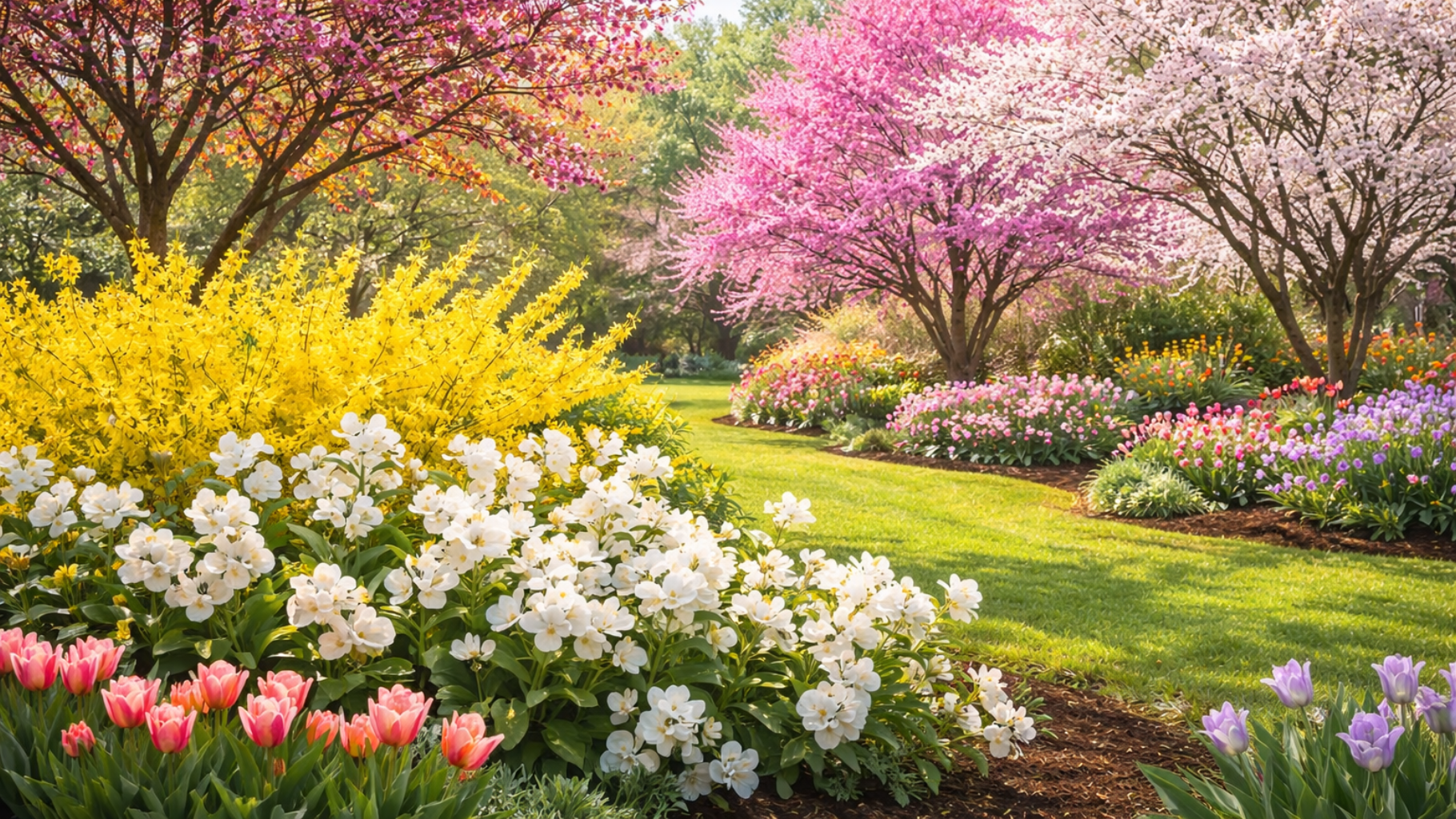
Discover the beauty of early spring blooming trees and shrubs like Forsythia, Flame Thrower Redbud, Flowering Quince, and flowering cherries. Learn why you’ll love them, their benefits, and the best gardens for vibrant spring color at Logan’s Garden Shop
February 23, 2026
Essential Tips for a Beautiful Spring Garden
Tulips at bulbs at Logan's Garden Shop
February 17, 2026
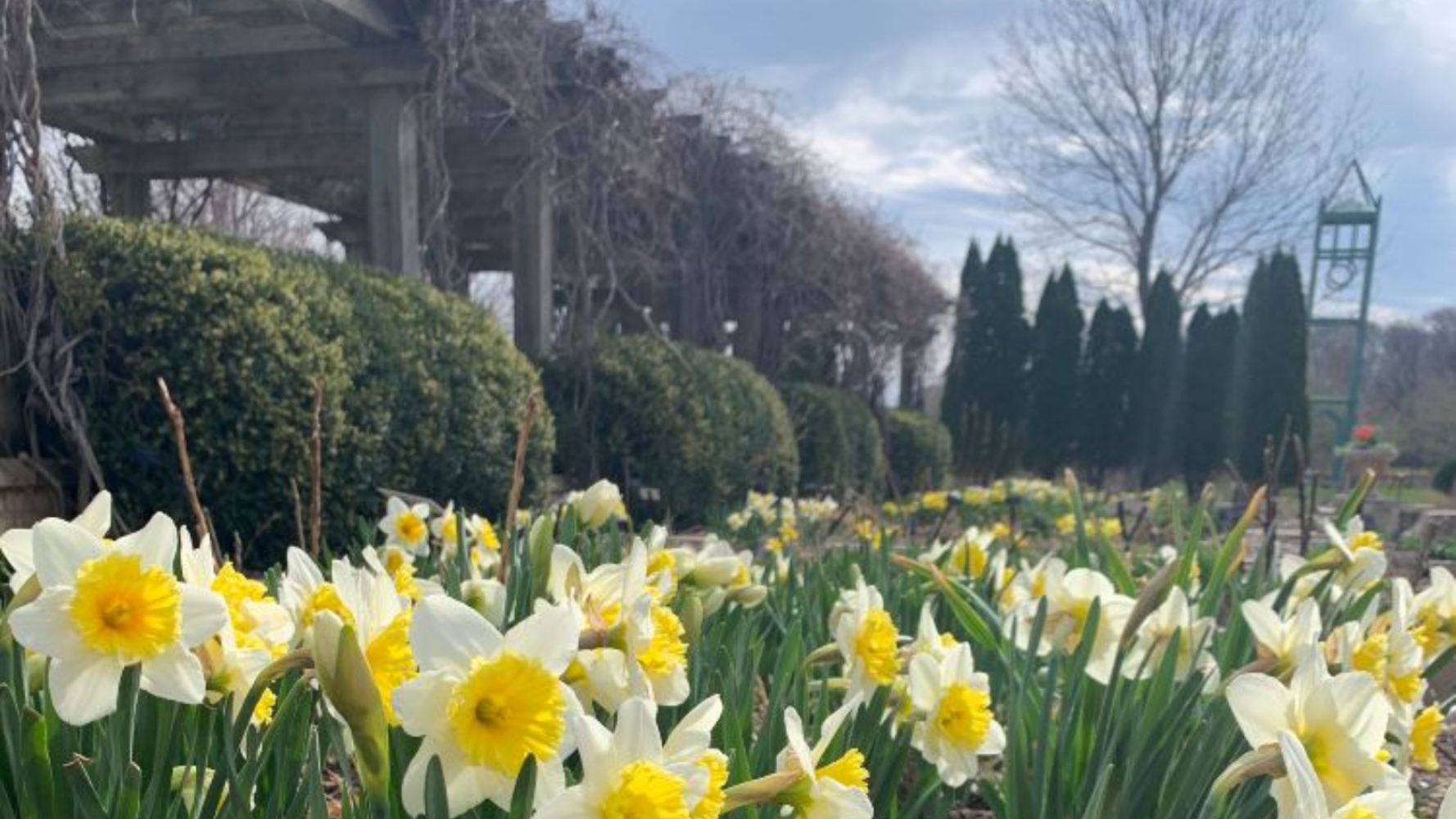
Ready for spring color? Learn how crocus, hyacinth, daffodils, and tulips brighten gardens early—expert tips from Logan’s Garden Shop.
By proadAccountId-464929 February 10, 2026
Beautiful, Long-Lasting Gifts from Logan's Garden Shop
By proadAccountId-464929 February 8, 2026
A Valentine’s Day Gift That He'll Love (and Levels Up His Place)
By proadAccountId-464929 February 2, 2026
Planting bird-friendly trees and shrubs is one of the easiest ways to bring life, color, and movement into your landscape. Many native and well-adapted plants in North Carolina provide birds with exactly what they need: food, shelter, and safe nesting spaces . The bonus? These plants reward homeowners with beautiful blooms, berries, seasonal interest, and a healthier yard overall. Here are a few standout trees and shrubs that birds absolutely love—and why you will too.
By proadAccountId-464929 January 23, 2026
Cold weather can be tough on plants, especially when sudden freezes or winter storms move in. Taking a few proactive steps before temperatures drop can make the difference between healthy plants and winter damage. Water Plants Before the Cold Sets In One of the easiest and most effective cold-weather plant care tips is to water ahead of a freeze. Moist soil holds heat better than dry soil, helping insulate roots and protect plants from sudden temperature drops. Well-watered plants are also less stressed and better able to tolerate cold conditions. We recommend watering earlier in the day so the soil can absorb moisture before nighttime temperatures fall. Bring in Sensitive Plants Many everyday garden plants are sensitive to freezing weather. These include tender annuals such as petunias and begonias, tropical plants such as hibiscus and mandevilla, container-grown herbs, succulents, citrus trees, and non-hardy bulbs and tubers such as dahlias and elephant ears. While this isn’t a full list of plants, here are some common ones that don’t fare well in temperatures below 20 degrees. Tender Annuals These plants are typically damaged or killed by frost: Petunias Impatiens Begonias Geraniums Coleus Calibrachoa (Million Bells) Zinnias Vinca Tropical & Houseplants (If Outdoors) These plants are not cold-tolerant and should be brought inside: Hibiscus Mandevilla Bougainvillea Croton Cordyline (Ti plant) Ficus Palms Orchids Container Plants Plants in pots are more vulnerable because roots are exposed to cold: Citrus trees Rosemary Basil and other tender herbs Succulents and cacti Mixed seasonal containers Perennials That May Need Protection Some perennials can survive cold but may suffer damage without protection: Ferns Heuchera (Coral Bells) Salvias (non-hardy varieties) Young or newly planted perennials Bulbs & Tubers (Not Cold-Hardy) These should be dug up or protected: Dahlias Caladiums Cannas Elephant ears Use a Tented Frost Cloth Outdoors For plants that must remain outside, a frost cloth is a great way to provide protection. Drape the cloth loosely over the plant and extend it to the ground to trap soil warmth. Avoid wrapping plants tightly—creating a tent allows better insulation and reduces damage to leaves and stems. Be sure to secure the cloth and remove it during the day once temperatures rise to allow sunlight and airflow. We’re Here to Help Cold weather doesn’t have to be stressful for you or your plants. With a little preparation—and the right supplies—you can protect your garden and set it up for a strong return in spring. Stop by Logan’s Garden Shop for frost cloths, winter protection advice, and personalized recommendations to keep your plants thriving all season long.