Simple Steps to Protect Your Plants from Winter Damage
Cold weather can be tough on plants, especially when sudden freezes or winter storms move in. Taking a few proactive steps before temperatures drop can make the difference between healthy plants and winter damage.
Water Plants Before the Cold Sets In
One of the easiest and most effective cold-weather plant care tips is to water ahead of a freeze. Moist soil holds heat better than dry soil, helping insulate roots and protect plants from sudden temperature drops. Well-watered plants are also less stressed and better able to tolerate cold conditions.
We recommend watering earlier in the day so the soil can absorb moisture before nighttime temperatures fall.
Bring in Sensitive Plants
Many everyday garden plants are sensitive to freezing weather. These include tender annuals such as petunias and begonias, tropical plants such as hibiscus and mandevilla, container-grown herbs, succulents, citrus trees, and non-hardy bulbs and tubers such as dahlias and elephant ears. While this isn’t a full list of plants, here are some common ones that don’t fare well in temperatures below 20 degrees.
Tender Annuals
These plants are typically damaged or killed by frost:
- Petunias
- Impatiens
- Begonias
- Geraniums
- Coleus
- Calibrachoa (Million Bells)
- Zinnias
- Vinca
Tropical & Houseplants (If Outdoors)
These plants are not cold-tolerant and should be brought inside:
- Hibiscus
- Mandevilla
- Bougainvillea
- Croton
- Cordyline (Ti plant)
- Ficus
- Palms
- Orchids
Container Plants
Plants in pots are more vulnerable because roots are exposed to cold:
- Citrus trees
- Rosemary
- Basil and other tender herbs
- Succulents and cacti
- Mixed seasonal containers
Perennials That May Need Protection
Some perennials can survive cold but may suffer damage without protection:
- Ferns
- Heuchera (Coral Bells)
- Salvias (non-hardy varieties)
- Young or newly planted perennials
Bulbs & Tubers (Not Cold-Hardy)
These should be dug up or protected:
- Dahlias
- Caladiums
- Cannas
- Elephant ears
Use a Tented Frost Cloth Outdoors
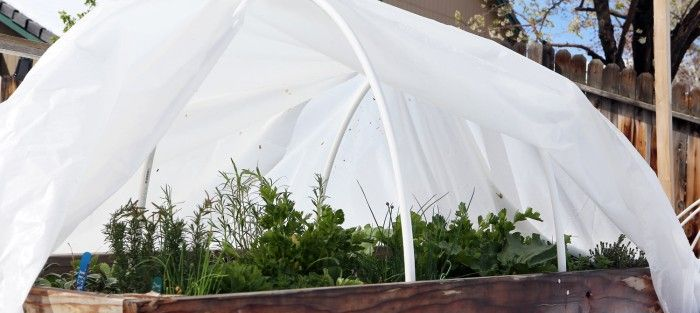
For plants that must remain outside, a frost cloth is a great way to provide protection. Drape the cloth loosely over the plant and extend it to the ground to trap soil warmth. Avoid wrapping plants tightly—creating a tent allows better insulation and reduces damage to leaves and stems.
Be sure to secure the cloth and remove it during the day once temperatures rise to allow sunlight and airflow.
We’re Here to Help
Cold weather doesn’t have to be stressful for you or your plants. With a little preparation—and the right supplies—you can protect your garden and set it up for a strong return in spring. Stop by Logan’s Garden Shop for frost cloths, winter protection advice, and personalized recommendations to keep your plants thriving all season long.